Kaniner
Hur man sköter kaniner
Kaniner är populära husdjur och de kan trivas mycket bra om man tar hand om dem på rätt sätt. På den här sajten har vi samlat matnyttig information för dig som funderar på att skaffa kanin. En kanin kan vara ett fantastiskt husdjur, men det gäller att man vet hur den ska tas om hand och vad den behöver.
Ordna ett hem åt kaninen
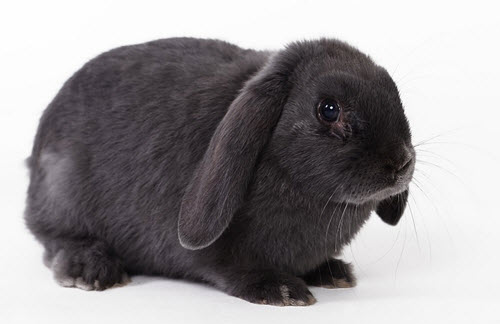 Vill man ha en kanin i sitt hem finns det flera olika lösningar som kan fungera bra. Man kan låta kaninen ha sin bur och leva fritt i ett visst rum, få tillgång till flera rum, eller dela av den mindre del av ett rum som den får vara i.
En vanlig lösning är att sätta valpgaller/kompostgaller kring kaninens bur för att skapa en rasthage, så att kaninen kan lämna buren och hoppa omkring på en lite större yta utan att riskera att ta sig till delar av huset som inte är kaninsäkrat.
Det är alltid viktigt att kaninen har ett ”hus” som den kan dra sig tillbaka till och känna sig säker. I naturen har kaniner hålor som de gömmer sig i vid behov, och din kanine vill ha något liknande även i fångenskap eftersom det är ett instinktivt beteende.
Kaniner är sociala djur
Kaniner är sociala djur så man bör placera kaninens bur i någon del av huset där det finns goda möjligheter till social interaktion. Detta blir ännu viktigare om man håller en ensam kanin som inte har några kaninkompisar att umgås med.
Kaninsäkra
De delar av hemmet där kaninen ska få röra sig behöver kaninsäkras – det är viktigt både för kaninen och för hemmet. Kaniner älskar att gnaga och kan snabbt hamna i trubbel om det finns elektriska kablar eller gifta krukväxter att sätta tänderna i. Allt av trä är också i riskzonen, såsom trälister, stolsben, osv. Läs gärna vår artikel om att kaninsäkra hemmet.
Kost
Hö är basen i kaninens kostpyramid och kaninen ska alltid ha tillgång till hö, dygnet runt.
Höet kan med fördel kompletteras med färska bladgrönsaker.
Andra grönsaker, liksom kaninpellets från djuraffären, kan utgöra ett viktigt komplement men ska bara ges i mindre mängder.
Du kan läsa mer i vår artikel om kost.
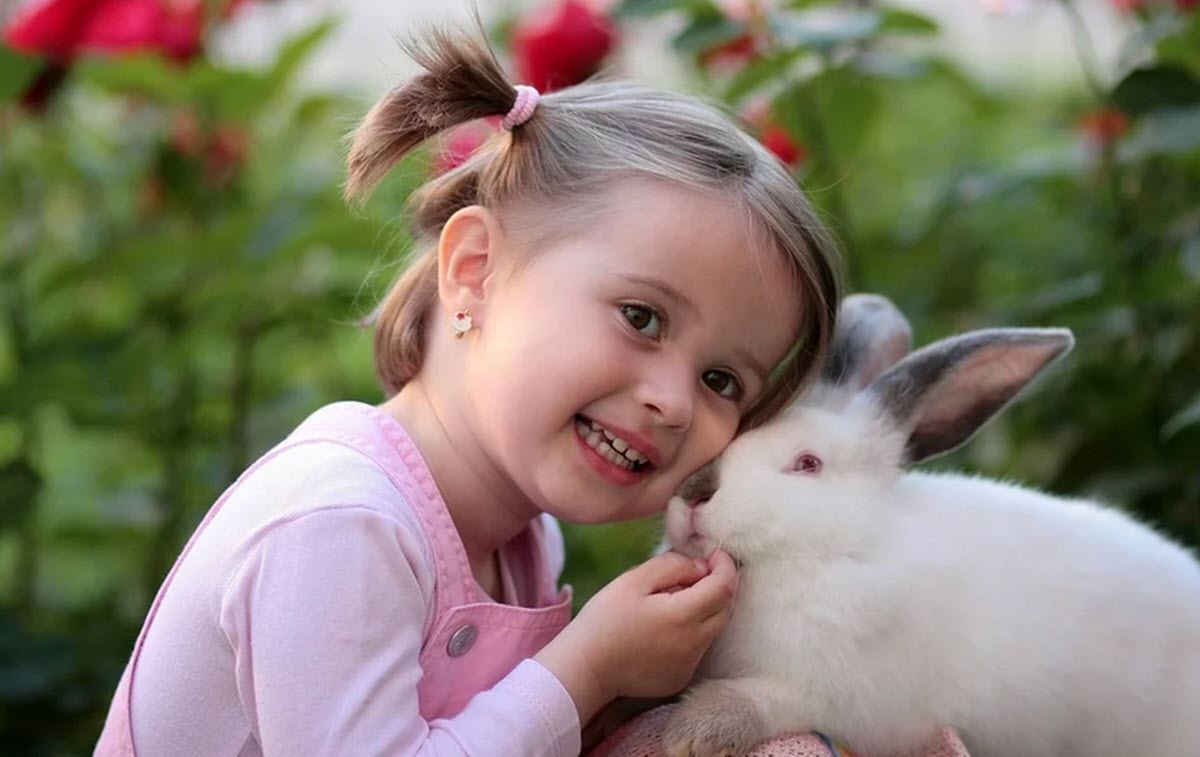
Träna kaninen att gå på låda
Det är normalt för kaniner att bajsa medan de sitter och tuggar i sig hö, och detta naturliga beteende kan man utnyttja för att träna kaninen att bajsa i en avsedd låda så att det blir enklare att hålla rent. Kaninen är inte som en katt som vill leta upp en sandplätt och gräva ned sitt bajs, utan man måste tänka som en kanin för att träningen ska fungera.
Du kan läsa mer i vårt artikel rumsren kanin.
Omvårdnad
I vår artikel om omvårdnad har vi samlat olika tips för dig som har en kanin att sköta om. Där hittar du bland annat information om pälsvård, tandvård och kaninens klor.
Hur mycket omvårdnad en kanin behöver beror bland annat på vilken ras man har. Kaniner som påminner mycket om sina vilda kusiner klarar sig med mindre omvårdnad än kaniner som avlats för att få hängande öron, lång päls, trubbig näsa, och så vidare.