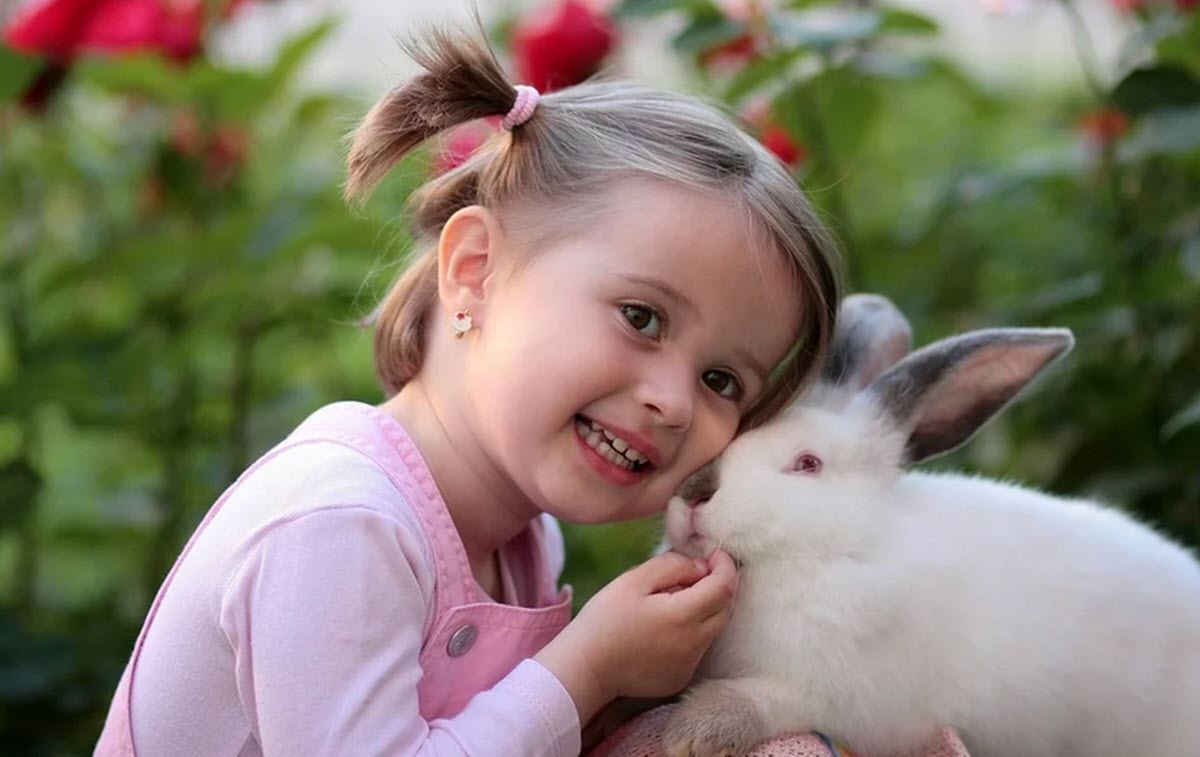
Many people find they cannot continue (or no longer want) to provide their rabbit(s) with a home.
First, we thank you for caring enough to make an effort to secure your rabbit’s future. We can offer you assistance by suggesting the following in order of their importance: doing some research on ways you can make living with a rabbit more manageable and possibly keep him (because you made a committment to your pet when you acquired him as a member of your family), finding a new home on your own, or taking your rabbit to a humane shelter (we suggest the shelters that the rabbit rescue groups work with).
PLEASE do not let your rabbit loose outside under any conditions! Pet rabbits are domesticated animals, and are completely dependent on humans for their care and safety. They can not survive on their own and will most certainly be killed by exposure, predators, cars or starvation. Not to mention that, in Massachusetts it is a felony to abuse and/or abandon a pet animal.
The most common reasons why people want to give up their pet rabbits are as follows:
1. Feeling overwhelmed, frustrated or confused about the rabbit's behavior. Please examine information on solving behavior problems.There are options that may help make your situation easier. These can include spay/neuter, changing the environment, understanding your rabbit's needs, etc. There is helpful information on many different topics on the National HRS web site (www.rabbit.org).
Most of the more difficult behaviors that cause people to think they made a mistake in getting a rabbit can be changed or modified. Spraying urine, marking territory with urine or droppings, aggressiveness or sexual behaviors begin when bunny reaches sexual maturity. One day you have a sweet baby and the next a little demon rabbit. These behaviors drastically decrease when bunnies are spayed or neutered and their hormone levels have dropped. Damage to furniture or fabrics can be avoided by bunny proofing and providing substitute materials to satisfy your pet’s chewing or digging needs. There are many practical and loving ways to respond to difficult behaviors. See these articles on-line:
2. Moving to another residence. If you look around, you can find apartments and houses that allow pets. It may take more time to find a place, but many landlords will make exceptions to "no pet" policies for caged animals (although you'll have to make sure to bun proof because your rabbit will need to have regular playtime outside of his cage). If you are moving out of state bunnies can travel by car or plane (even in the cabin). For more information see:
3. Someone in the family is allergic to the rabbit. Many rabbit owners and fosterers with allergies have learned to modify their environment and can continue to enjoy their furry pets. Sometimes it’s not the rabbit but their hay that the caretaker is allergic to. If it's the hay, which can sometimes be a little dusty, try spraying it lightly with a plant sprayer to reduce the dust in the air. Have a family member do the litterbox changes for you so you aren't in close contact with the hay, and try a cat box with a cover to keep it contained. Have your own space away from bunny, preferably your living room and bedroom so you can limit your contact, but still have some time to interact with your pet. Air purifiers and frequent vacuuming can also help. We are always learning new ways to live with bunny allergies. A great article to read is at: Allergies
If you are still not open to the idea of keeping your rabbit, we can help you with ideas for finding a home. There is always an overwhelming number of unwanted rabbits but it is the policy of Massachusetts HRS not to take rabbits from individuals. There are too many on death row in the animal shelters and we can only save some of these when we have room in one of our volunteer foster homes. It is also difficult to find experienced rabbit care givers who are willing to provide foster care in their own homes for these rabbits on a volunteer basis.
When looking for a new home for your rabbit you need to remember that you are responsible for this animal and his future. It is possible to find a good home but it will take time, committment and strategy. Imagine the kind of home you would like for your rabbit and then stick to your ideal. It can take a couple of months to find a good home and here are some practical suggestions.
There are two major steps to finding homes for rabbits. The first is to prepare the rabbit for adoption. The second is to advertise and screen callers for suitability.
Preparing for adoption:
1. Have your rabbit spayed or neutered by an experienced rabbit veterinarian -- for health and behavior reasons. This will improve his/her chance of being adopted as an indoor companion (so that your rabbit can enjoy a life that is both safe and social). This also insures that no more unwanted rabbits will be produced after he leaves your home.
2. Litterbox training is achieved by putting a litterbox inside bunny’s cage that he can use as a bathroom. Once he is using it, try him in a safe, bunny-proofed room (ie: cords and plants out of reach) with one or more litterboxes. In a matter of days you will have an adoptable house-trained rabbit. For more specific info on litter training see: Litter Training
3. Socializing -- Spend time talking to and petting your bunny to let her get used to being around people so she will look to humans for affection.
4. Learn the bunny’s health status by getting her a complete physical by a rabbit vet so you can tell bunny’s adopter what to expect. To find a good vet see: Finding a Vet or Vets in Massachusetts.
Aggressive advertising:
When placing ads, state your rabbit's strong points: "neutered", "house-trained", "affectionate", "friendly". Place ads in your local community paper and spread the word among colleagues, social clubs, etc.
Make flyers with a picture of your rabbit and write a short paragraph describing his personality, then post them at pet stores, grocery stores, veterinarian’s offices, and other community bulletin boards. We recommend that you charge a nominal amount of money ($15-$20). This will hopefully keep people with less than good intentions away (some people buy rabbits to eat them, feed them to snakes or sell to labs for experimentation).
People willing to commit to owning a rabbit will gladly pay an adoption fee. Interview people who are interested to make sure they will provide an adequate home. Engage the caller in a conversation about their past pets to find out what they're looking for in a pet and to get a feel for how much they love animals. Explain that you are asking questions because you want them and the rabbit to be happy together.
Present a realistic picture of what rabbits are like. Print out some of the care and behavior information from the House Rabbit Society web site to help the adopter know what's involved in properly caring for a rabbit. Offering to give or sell (at a reasonable price) your rabbit's cage and supplies to the adopter can also be helpful. If you feel the home is not suitable, make an excuse. Politely tell the caller that your rabbit doesn't do well with children, isn't used to hutch-living, is scared of dogs, or whatever.
At HRS, we look for indoor homes for our rabbits, so that they will enjoy lives that are both safe and social. The rabbit has a cage, but is allowed some supervised freedom daily. How soon a rabbit becomes an uncaged roommate depends on how bunny-proofed the home is and on the maturity and personality of the rabbit. The more involved the caretaker is, the more freedom the rabbit will be given. Another HRS criteria is that an adult, not a child, be the rabbit's primary care-giver.
If none of the above options works for you, please take your rabbit to an MSPCA or Animal Rescue League shelter, preferably one that works with a rabbit rescue organization (see our Links page). This can give your rabbit a second chance at being adopted and he or she will be cared for by professionals. However, please be aware that animals at shelters are sometimes humanely euthanized, either when the shelters become too crowded or when an animal is older (usually over 5 years), or has a behavior or health problem that makes it impossible to find another home.
It is our highest priority to assist shelters and we take in as many rabbits as we can into our volunteer foster homes but our space is limited. Even if a rabbit has to be "put down" at the shelter, we feel this is more humane than suffering from extreme neglect or being turned loose and being attacked by a predator or meeting some other type of death.
Home
|
Links
|
Baby Pictures
|
Veterinarians